
Why Safe Space Energy Is Betting on Katsina State
@Ibrahim Kaula Mohammed
One month after the curtains closed on the Katsina Economic and Investment Summit, its real meaning is no longer captured by speeches or panel discussions, but by implementation. Quietly and decisively, Summit outcomes are moving into execution through concrete projects, institutional coordination, and private investment decisions-none more illustrative than the launch of the Safe Space Energy Project in Katsina State.
What began as a conversation on clean energy and modern transport has now entered the delivery phase.
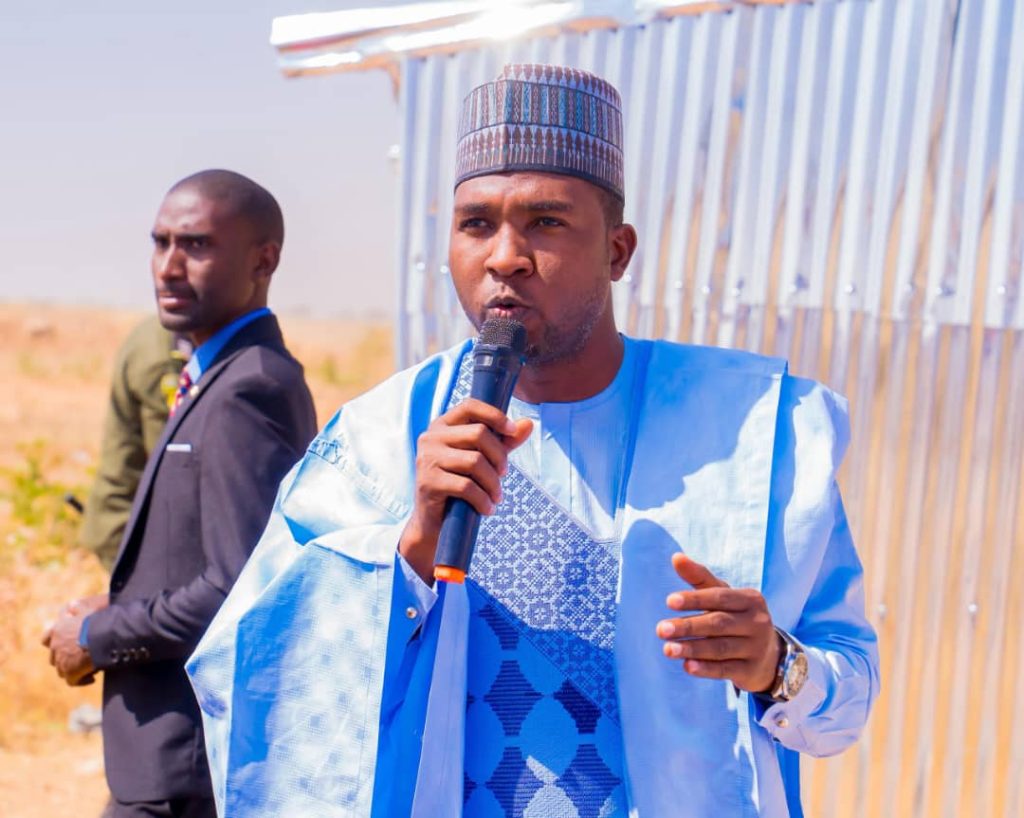
Revisiting the Memorandum of Understanding signed during the Summit between the Katsina State Government and Safe Space Energy Limited, the company’s Managing Director, Nazir Abdullahi Hassan, explained why Safe Space Energy chose to invest-not just by expressing intent, but by committing assets, technology, and long-term operations to the State.
According to him, Safe Space Energy’s decision is anchored on key post-Summit takeaways that signal Katsina’s rise as a credible clean-energy and transport-innovation hub for Northern Nigeria and the wider Sahel.
Leadership Certainty and Policy Stability
At the center of investor confidence, Nazir Abdullahi Hassan noted, is the clarity and consistency of leadership under Governor Dikko Umaru Radda. The administration’s Green Economy and Climate Change Agenda prioritizes clean transportation, renewable energy, and the modernization of public mobility systems.
For a project involving CNG, electric mobility, and safety-critical infrastructure, stable policy direction was not optional-it was decisive.
From MoU to Physical Implementation
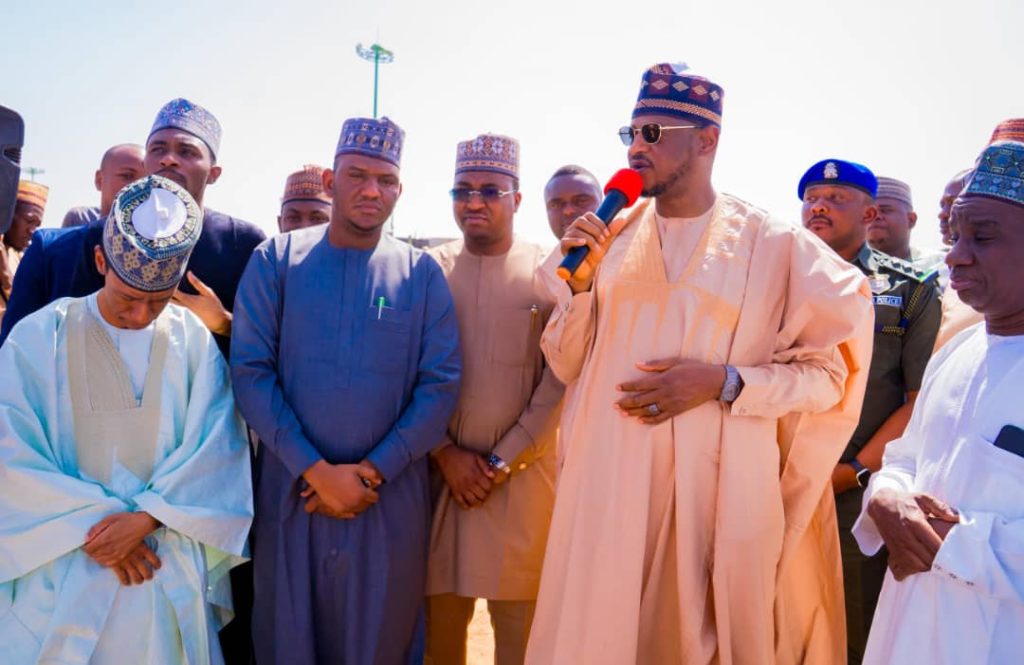
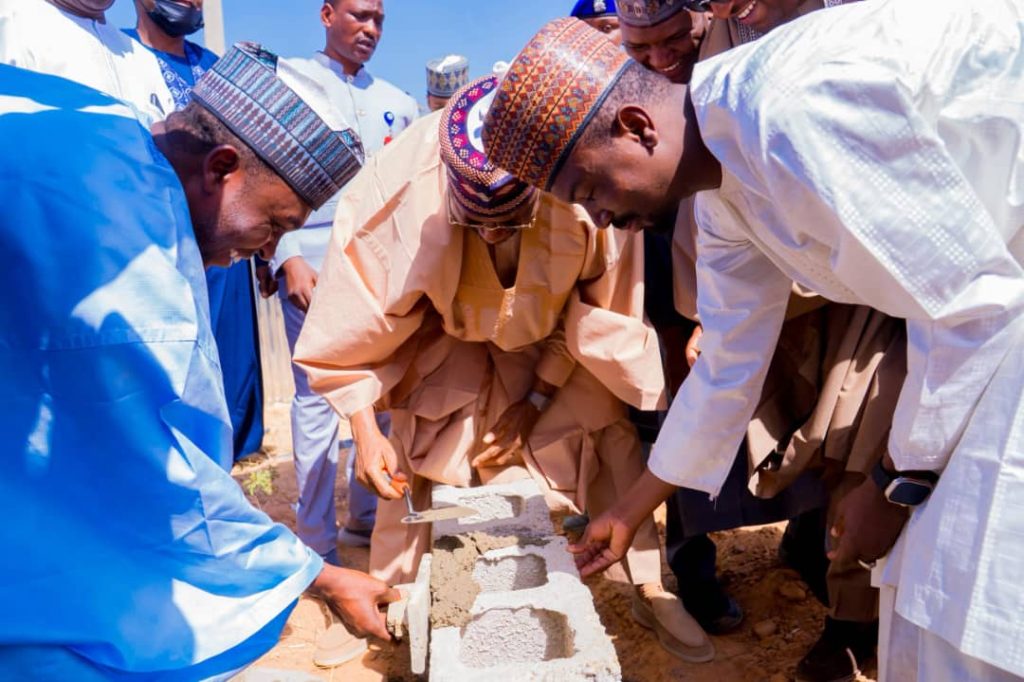
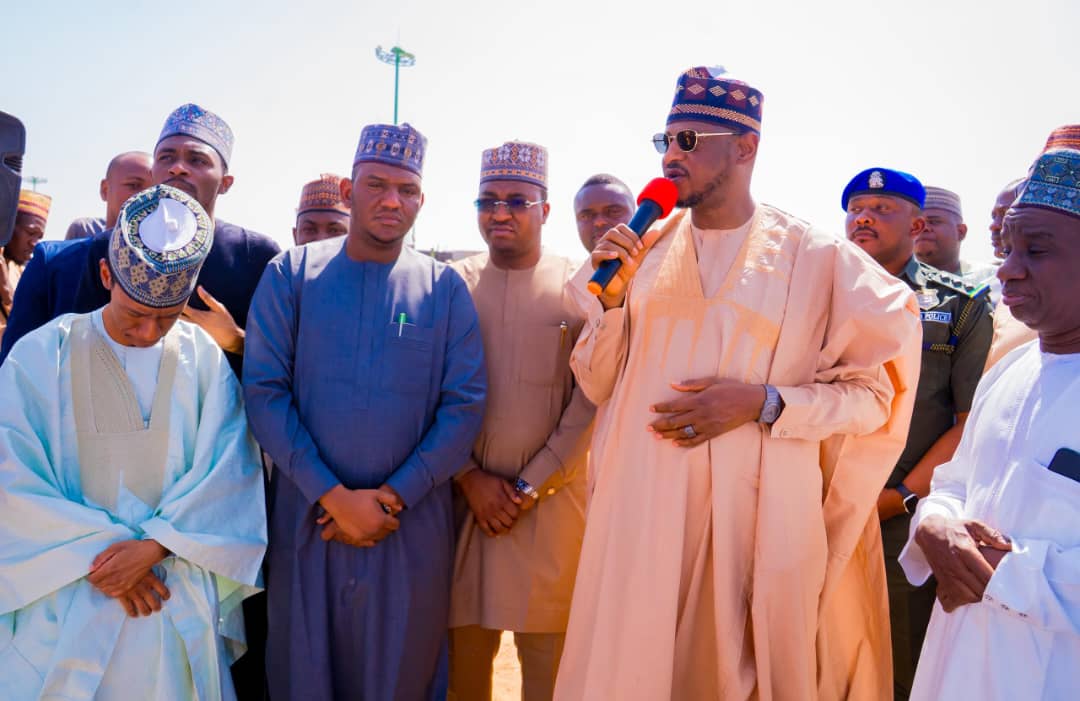
One major distinction of the Katsina Summit, he emphasized, is that agreements are not remaining on paper. The MoU signed during the Summit has already advanced into physical implementation with the formal flag-off of the Safe Space Energy Project.
The groundbreaking ceremony performed by Governor Radda symbolized more than ceremony-it marked the translation of Summit commitments into tangible facilities, services, and private-sector driven growth.
Clear Ownership, Clear Accountability
Safe Space Energy confirmed the establishment of project-specific entities and implementation structures to ensure delivery discipline, transparency, and measurable outcomes. The company stressed that the initiative is designed around performance benchmarks and regulatory compliance-not symbolism.
A Defined Project Timeline
Unlike post-event promises that fade over time, the Safe Space Energy Project is backed by a clear execution horizon. The project is projected for completion before the first quarter of 2026, with phased facility roll-outs already underway.
Institutions Aligned, Not Obstructing
A key confidence signal, the Managing Director noted, is institutional alignment. State agencies responsible for investment facilitation, transport reform, and environmental regulation are working collaboratively to accelerate approvals, land access, and infrastructure connectivity.
This, he said, confirms that Katsina offers partnership-not bureaucracy.
Project Components Moving Into Delivery
Safe Space Energy outlined major infrastructure and service components to be established in the State, including:
CNG mother station
CNG daughter station
100-point electric vehicle charging hub
deployment of CNG-hybrid vehicles
KKNP CNG conversion kits
electric tricycles pilot introduction
service and conversion center
technical training academy for youths
Fifty CNG-hybrid vehicles have already been ordered, while electric tricycles successfully piloted in Kano will be rolled out in phases across Katsina.
From Announcements to a Clean-Mobility Action Framework
The company’s commitments now operationally guide implementation. Focus areas include:
clean transport deployment
youth technical training
SME participation in transport services
logistics cost reduction
integration with Katsina’s climate change agenda
In simple terms: the Summit was the announcement; the aftermath is execution.
Lower Costs, Stronger Transport System
The project is expected to:
reduce public transport costs
stabilize fuel expenditure for motorists
improve reliability of intra- and inter-city mobility
CNG and electric systems will reduce maintenance costs and dependence on petrol-based transport-benefits that will flow directly to commuters, businesses, and transport operators.
Youth Employment and Skills Development
A central pillar of the project is youth empowerment.
The planned technical training academy and service centers will build skills in:
CNG conversion technologies
EV charging infrastructure
electric vehicle maintenance
renewable energy operations
This will open new technical career paths and promote enterprise creation among young people statewide.
Katsina as an Emerging Clean-Energy Hub
With the launch of the project, Katsina is positioning itself as a leading renewable and alternative-energy hub in Northern Nigeria. The State’s strategic location along the Jibia-Niger Republic corridor enhances its potential as a refueling and conversion hub for regional transport and logistics operators.
Safety, Standards, and Compliance
Safe Space Energy reaffirmed that all CNG facilities will deploy certified armored and fibre-2 cylinders, aligned with international safety standards. Safety engineering, operational protocols, and emergency response systems are integral components-not afterthoughts.
Aligned With the Green Economy Vision
The initiative directly supports:
Katsina Green Economy and Climate Change Initiative
national emission-reduction commitments
diversification of the energy mix
climate-resilient development strategies
It reduces fossil-fuel dependence while accelerating access to modern energy solutions.
Government Commitment
Governor Radda reiterated government support for:
private-sector led investment
ease-of-doing-business reforms
enabling infrastructure
security of project locations
He underscored that the Economic and Investment Summit is delivering “results beyond speeches.”
From Summit to Strategy
The flag-off of the Safe Space Energy Project confirms that the Summit did not end with communiqués.
It has evolved into structured, capital-backed implementation-designed to deliver cleaner transportation, new jobs, youth empowerment, and a greener energy future for Katsina and the wider Sahel.
The Summit lasted only a few days.
Its aftermath is now shaping the years ahead.