
Dear sir,
The Katsina State Government, under your leadership is heavily investing in infrastructure to drive economic growth and urban renewal, recently focusing on major road constructions (i.e. N13.9 billion Shargalle–Dutsi–Ingawa road commissioned within this week), rural water supply (N3 billion), and digital transformation.
Key initiatives include urban, rural road projects, a new $10 billion federal innovation hub partnership, and 15-year master plans for major cities, alongside modernizing transportation terminals.
In the 2026 budget, a record-breaking ₦857 billion budget focused on capital projects, 2025 Fiscal Performance recorded 81.66% revenue realization, a strong capital project implementation.
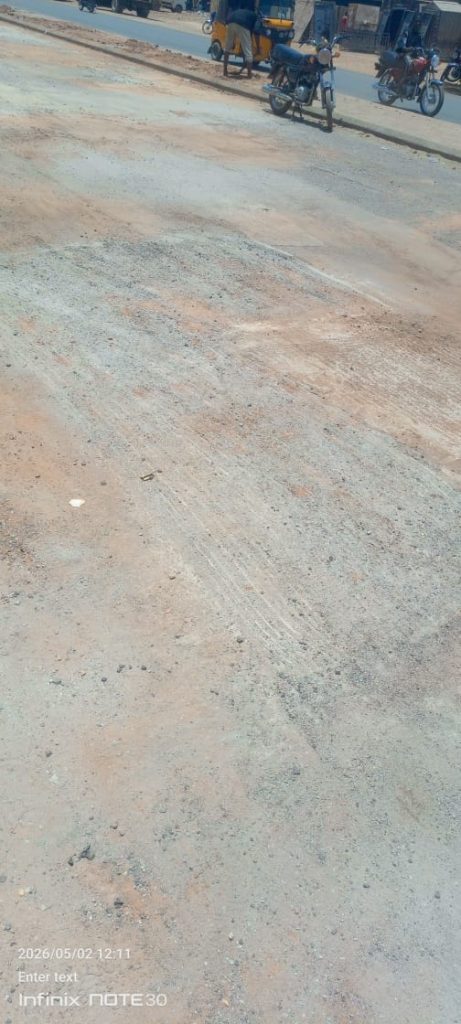
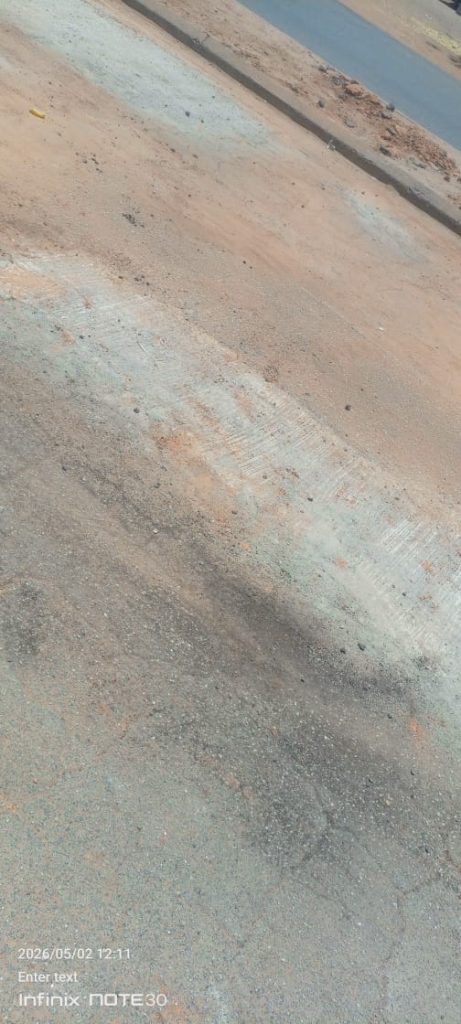
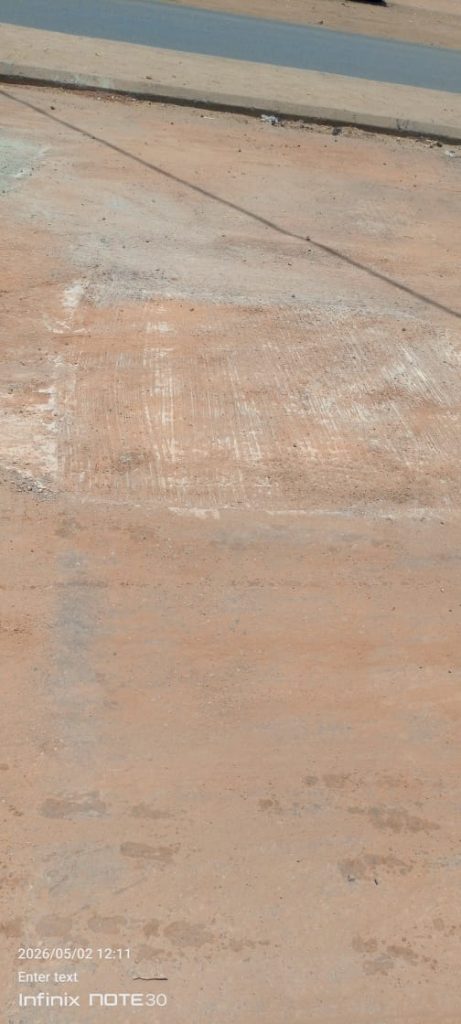
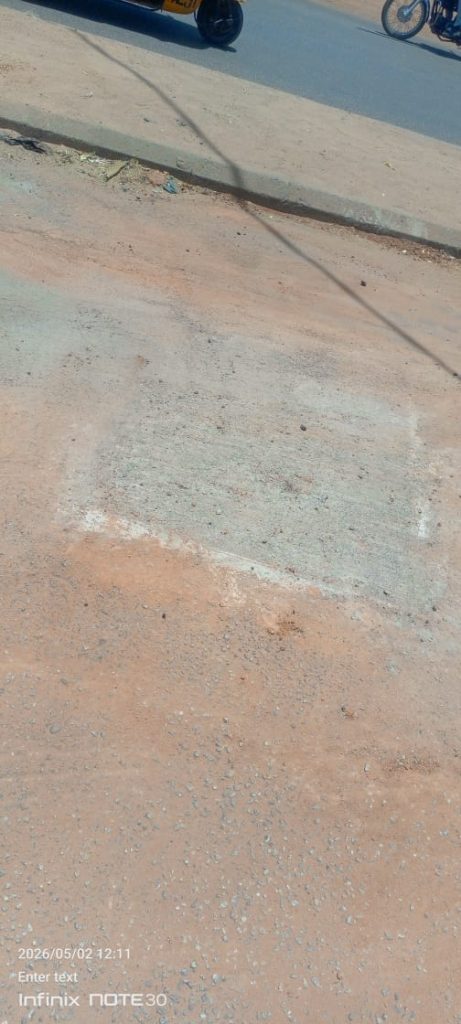
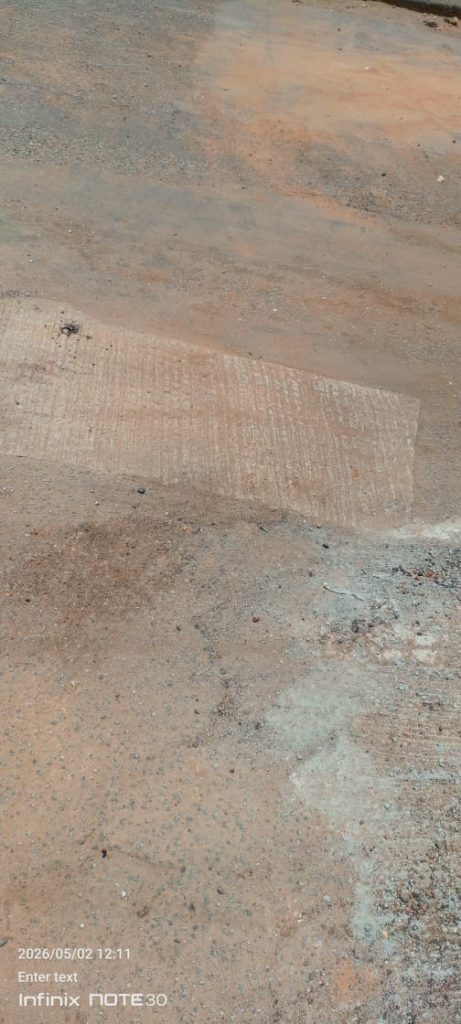
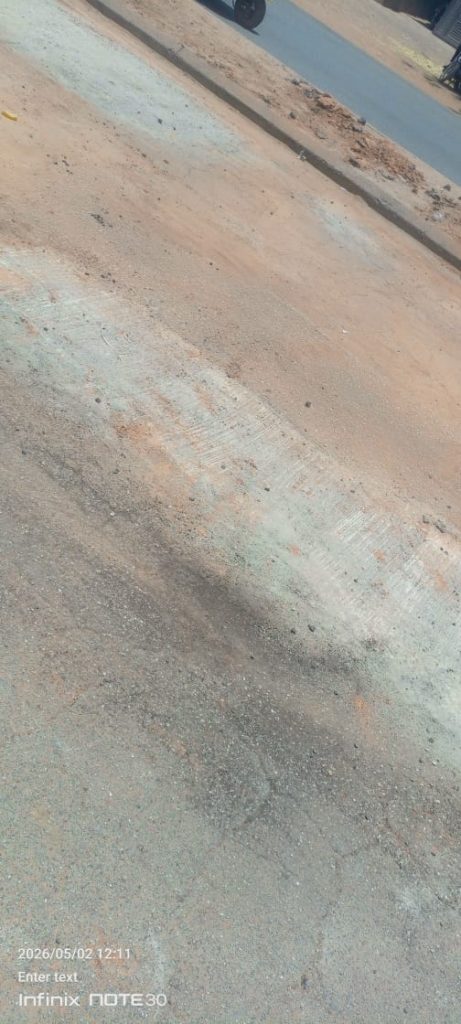
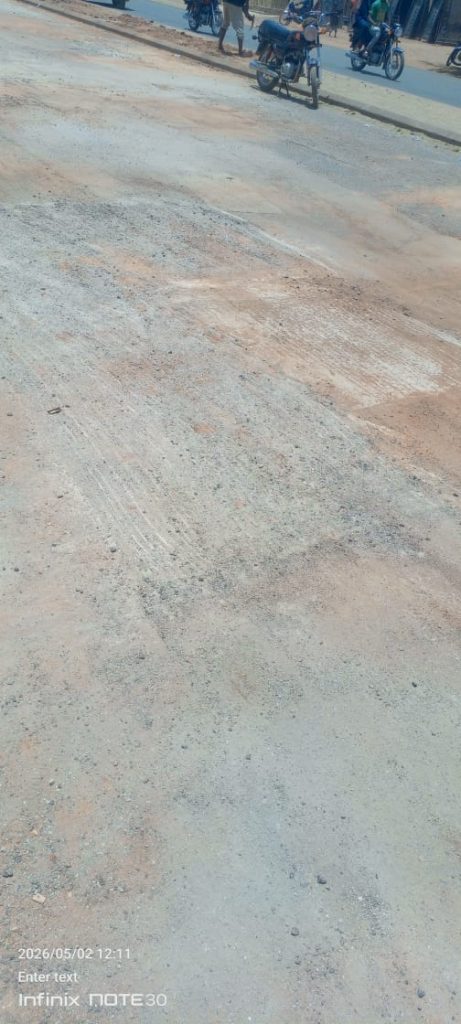
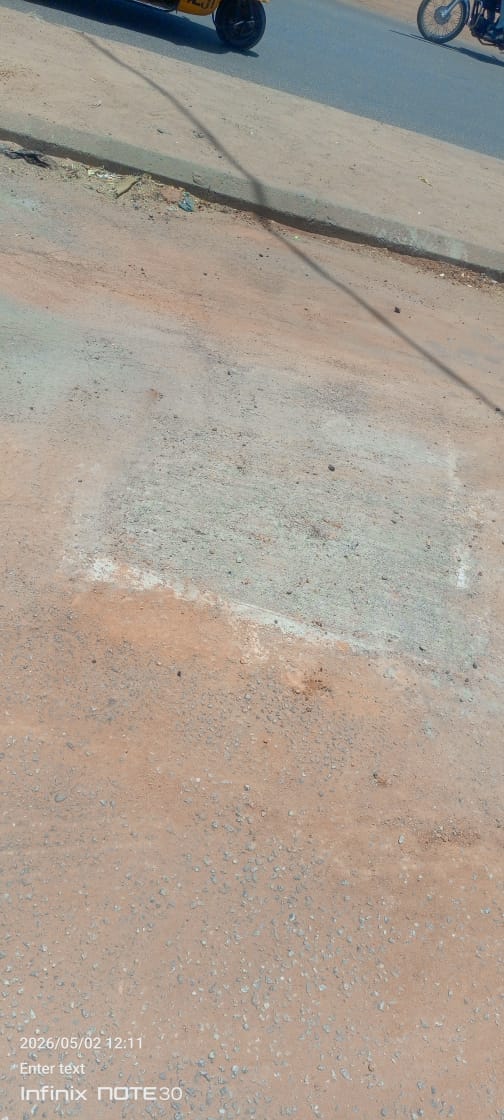
Currently, there are road repairs going on in Katsina metropolis where concrete is used to patch asphalt which calls for questions about the engineering and economic value this will offer.
While you can patch an asphalt road with concrete, it is generally discouraged because the materials have different expansion rates, causing the patch to fail or crack, usually within 6-12 months.
In material engineering, the selection process involves evaluating mechanical resistance, environmental impact, and cost to ensure structural integrity and longevity.
Materials matters, asphalt and concrete are the two dominant materials for paving roads, driveways, and parking lots. While they fulfil similar functions, they differ fundamentally in their composition, lifespan, and performance under traffic.
While both have been confirmed good for road construction, but using one to patch the other might not be the best in road construction and that is exactly what the engineers and professionals recruited by this administration should have considered.
Using concrete to patch an asphalt road is generally a bad idea because the two materials have fundamentally different physical properties that prevent them from working together effectively.
Talking about the structural incompatibility, Asphalt is a “flexible” pavement designed to shift slightly with temperature and traffic loads while Concrete is “rigid” and inflexible, therefore, over time, the surrounding asphalt will move and wear away, leaving the concrete as a hard, stable “island” that may begin to wobble or create a dangerous bump for vehicles.
Asphalt expands and contracts significantly more than concrete when heated or cooled. Because they move at different speeds, the concrete patch will often pull away from the asphalt edges. This creates a “seepage ring” that allows water to penetrate the road’s base.
When water enters the gaps between the concrete and asphalt, it turns the underlying soil into mud. Unlike flexible asphalt, the rigid concrete patch can act like a piston under heavy traffic, physically forcing mud out from underneath and rapidly destabilizing the surrounding road.
A loose or protruding concrete patch can become a projectile or a sudden bump that damages tires and suspension.
While the government is spending so much on infrastructural development there should be consultations with professionals to make government spending worthwhile. Our common wealth should be spent prudently and not just to enrich some connected contractors at the expense of the general public good.
Engineers in Katsina should be called to speak out and lend their opinions in building a Katsina that will benefit us all because it is not enough to criticize the government without contributing better ideas as it is not necessary to shut dissenting voices to build a better community together.
Thank you sir.
Engineer
For further correspondence: femiores@katsinamirror.ng